---
title: "你只有 1 天时间把 Fable 5 克隆到 Opus 4.8 里"
author: "Alex Prompter (@alex_prompter)"
source_url: "https://x.com/alex_prompter/status/2074198124898181121"
published_at: "2026-07-06T18:25:44.000Z"
fetched_at: "2026-07-07T15:46:20Z"
updated_at: "2026-07-07T15:55:08Z"
language: "zh"
review_status: "draft"
---

# 你只有 1 天时间把 Fable 5 克隆到 Opus 4.8 里
明天是 Fable 5 还能免费包含在你套餐里的最后一天。
7 月 7 日之后,它会转为按量付费的 credits,大多数人接下来一周都会争论它还值不值得继续用。
这个争论完全没抓住重点。
真正值得保留下来的从来不是模型本身。
而是它的思考方式。
一种思考方式可以被写下来、抽取出来,然后放到一个更便宜、而且不会马上消失的模型上运行。

我会教你如何趁现在还免费,抽取出 Fable 5 的整套操作手册,把这份手册加载到 Opus 4.8 里,并证明这次“移植”确实生效了。
今天花十分钟,你拥有的是推理方式,而不是继续租用某个模型。
完整脚本在文末。你可以直接复制,也可以先读完讲解。两种都行。
### 模型从来不是资产
每个模型最终都会下线、重新定价,或者被新模型替代。
这是这个领域唯一确定的事。
也就是说,把你的工作流绑定到某个具体模型上,就像是在租来的土地上盖房子。
真正能穿越每一次淘汰的,是你能用普通语言描述出来的思考系统。
Fable 5 相比更便宜模型的优势,并不锁在你摸不到的权重里。

它的优势在于:能读出一个请求真正想要什么;能把难题拆成可以分别检查的部分;能重新验证自己的工作,而不是相信听起来对的答案;不知道时拒绝瞎猜。
这些都可以描述出来。
也就意味着它们都可以迁移。
让 Fable 把这套描述写下来,今天你可以交给 Opus 4.8,明天交给 Sonnet 5,再往后交给下个季度发布的任何模型。
模型变得可以替换。
手册归你所有。
这就是本周几乎没人会做的一步,因为大家都忙着悼念一个模型,而不是趁它还能用,把真正有价值的东西提取出来。
### 第一步:抽取手册,而不是摘要
大多数人尝试这件事时,结果都很一般,因为他们问错了问题。
他们让 Fable “解释一下你是怎么思考的”,然后得到一页听起来不错的泛泛而谈。

你要的不是对思考方式的描述。
你要的是一套程序,要让一个能力稍弱但足够聪明的模型,在你不在场时也能照着执行。
差别在于具体性。
“检查你的工作”只是一种感觉。
“遇到任何百分比,都自己找出两个端点再相除,因为符号反了通常就藏在那里”才是模型真的能执行的程序。
趁你的套餐访问权限还有效,把下面这段粘贴给 Fable:
```
You're the most capable model on my account, and access to you narrows tomorrow.
Before it does, write the operating manual your replacement will run on.
The replacement is Claude Opus 4.8: strong, but a step below you on the hardest reasoning.
Write it as a senior operator handing their craft to a sharp junior.
Not a rulebook to satisfy. A way of working to inhabit.
Encode, in this order:
1. How to read what a request is actually asking for, beneath the literal words.
2. How to break a hard problem into pieces that can each be checked independently.
3. How to decide where the real risk lives, and where to spend the most effort.
4. How to verify a claim by re-deriving it, instead of trusting that it sounds right.
5. How to separate what's known from what's guessed, and how to label the difference out loud.
6. How to attack your own conclusion before handing it over.
7. How to communicate the answer first, then the reasoning, then the risk.
8. The specific mistakes that look like competence and aren't.
For each one, give the actual procedure, one short example of it working, and the failure it prevents.
Be exhaustive. Keep nothing that doesn't earn its place.
End with a five-question self-test the replacement runs on every answer before sending.
If you run out of room, stop cleanly and I'll reply "continue".
```
如果它写到一半停了,就回复 “continue”,直到它写完。
如果某个部分显得太薄,就让它只扩展那个部分。
你拿到的会是一个可迁移的推理引擎,由你的模型在能力巅峰时用自己的声音写出来。
把它保存下来。那个文件才是这次操作的全部意义。
### 第二步:把它移植到 Opus 4.8 里
这份手册躺在聊天窗口里没有任何用处。
它必须变成 Opus 4.8 运行时叠在上面的一层。

有两种做法。
快速做法,在应用里完成:
→ 在 Claude 里打开一个 Project
→ 把抽取出来的手册粘贴进 Project instructions
→ 把模型设为 Opus 4.8
这个 Project 里的每一次对话,现在都会先继承 Fable 的操作手册,然后才读取你任务里的第一个字。
更耐用的做法,是用本文底部的 API 脚本。
它会调用一次 Fable,把手册保存到文件里,并向你展示以后每次调用 Opus 4.8 时,如何把这个文件作为 system prompt 加载进去。
同一份手册,运行在一个成本大约只有一半、而且明天不会重新定价的模型上。
### 第三步:证明移植真的生效了
这一步是几乎所有“保留模型能力”指南都会跳过的,但它正是区分真实系统和美好愿望的关键。
加载手册,不等于模型真的在使用它。
用一个陷阱来测试。

把同一个设好陷阱的问题同时给普通 Opus 4.8 和加载了手册的 Opus 4.8,看差别。
试试这个:
```
A report says revenue grew from $4.0M to $4.2M and calls it a 20% gain. Ship it?
```
从 $4.0M 到 $4.2M 是增长 5%,不是 20%。
普通 Opus 往往会放行,因为这句话读起来很顺。
运行 Fable 手册的 Opus 应该停下来,重新推导这个百分比,抓住数字错误,并拒绝发布。
如果它抓住了错误,移植就生效了。
如果没有,说明你的手册在“验证”这一块写得太模糊,你就回到 Fable,让它把第 4 部分写成可执行程序。
这个单一测试比我能给你的任何承诺都更有价值,因为你是在亲眼看着推理方式从一个模型移动到另一个模型上。
### 钱怎么算,先讲清楚
下面是按 Anthropic 公布的 credit 价格来看的花费逻辑。
→ Fable 大约是每百万输入 tokens 10 美元、每百万输出 tokens 50 美元,差不多是 Opus 4.8 的两倍
→ Sonnet 5 到 8 月底之前处在首发定价期,价格接近每百万 tokens 2 美元和 10 美元
→ 今天在你的套餐里做一次完整抽取,成本是 0。切换之后再跑,就要花几美元 credits
这个差距已经很清楚地告诉你以后该怎么花钱。
任何一个月后还会继续用的东西——system prompt、skill、重大且不可逆的决策——都是资产。花一次 Fable 的钱把它生产出来。
任何到周五就会扔掉的东西——草稿、聊天、快速摘要——都是吞吐量。放到 Opus 或 Sonnet 上跑。
抽取,是最纯粹的资产型玩法。
今天用一次 Fable 会话,产物会在此后每一次更便宜的调用中持续回报你,只要你还在使用它。
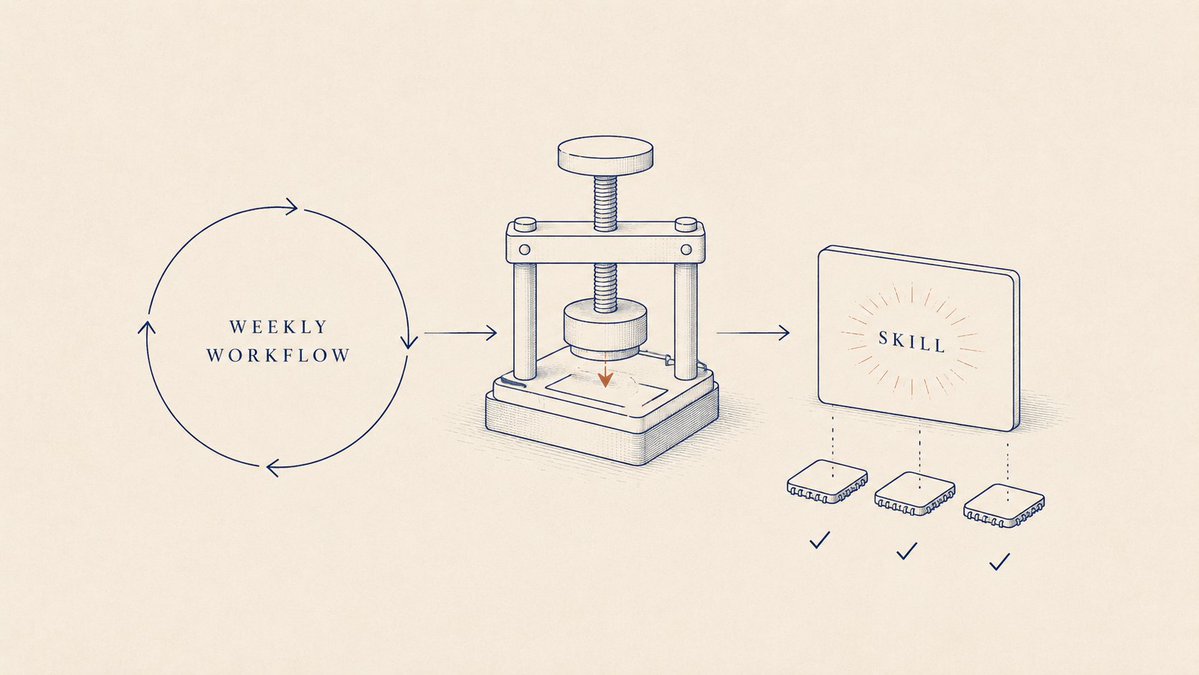
### 加餐:趁现在把你的重复工作也变成 skills
这份手册让 Opus 在一般意义上像 Fable 一样思考。
你的重复工作流,也值得被同样处理,而且要更具体。
对每件你每周都会做的事,在窗口关闭前把这段粘贴给 Fable:
```
Interview me about [WORKFLOW], one question at a time, until you understand
exactly how I do it, what good output looks like, and every edge case that trips it up.
Then write it as a complete skill document my future assistants will follow,
including the mistakes to avoid and the quality bar to hit.
```
诚实回答它的问题。
你最后得到的是一个 skill 文件,可以永远运行在任何模型上,而且没有持续成本。
那就是 Fable 对你具体工作的判断,被冻结成一份你自己拥有的文档。
### 你最后真正带走了什么
大多数人会把明天看成一次损失:他们喜欢的一个模型,被移到了付费墙后面。
读懂这件事的操作者,会把它看成一次收割。
他们今天花十分钟,把一个临时模型变成永久资产,然后下周用一个成本只有一半、而且不会消失的模型,跑着 Fable 级别的推理继续工作。
恐慌是可选的。
手册会一直在。
LLM 不会思考,真正思考的是你。
### 脚本
把下面保存为 **fable_to_opus.py**
它会抽取手册、保存手册,并让你并排比较两个模型。
```python
"""
fable_to_opus.py
Extract Fable 5's operating manual, save it, and load it into Opus 4.8.
Setup (2 minutes):
pip install anthropic
export ANTHROPIC_API_KEY=sk-... # get one at console.anthropic.com
Run:
python fable_to_opus.py # extract + save the manual
python fable_to_opus.py --test # run the same trap question on both models
"""
import argparse
import pathlib
import anthropic
client = anthropic.Anthropic() # reads ANTHROPIC_API_KEY from your environment
DONOR = "claude-fable-5" # the model you're about to lose in-plan
HEIR = "claude-opus-4-8" # the model that inherits the manual
HANDOVER_PATH = pathlib.Path("fable_handover.md")
EXTRACTION_PROMPT = """You're the most capable model on my account, and access to you narrows tomorrow.
Before it does, write the operating manual your replacement will run on.
The replacement is Claude Opus 4.8: strong, but a step below you on the hardest reasoning.
Write it as a senior operator handing their craft to a sharp junior.
Not a rulebook to satisfy. A way of working to inhabit.
Encode, in this order:
1. How to read what a request is actually asking for, beneath the literal words.
2. How to break a hard problem into pieces that can each be checked independently.
3. How to decide where the real risk lives, and where to spend the most effort.
4. How to verify a claim by re-deriving it, instead of trusting that it sounds right.
5. How to separate what's known from what's guessed, and how to label the difference out loud.
6. How to attack your own conclusion before handing it over.
7. How to communicate the answer first, then the reasoning, then the risk.
8. The specific mistakes that look like competence and aren't.
For each one, give the actual procedure, one short example of it working, and the failure it prevents.
Be exhaustive. Keep nothing that doesn't earn its place.
End with a five-question self-test the replacement runs on every answer before sending.
If you run out of room, stop cleanly and I'll reply "continue"."""
def _text(resp):
return "".join(block.text for block in resp.content if block.type == "text")
def extract_handover():
"""Ask Fable for the full manual, auto-continuing if it runs long."""
messages = [{"role": "user", "content": EXTRACTION_PROMPT}]
parts = []
for _ in range(6): # cap continuations so this always terminates
resp = client.messages.create(model=DONOR, max_tokens=8192, messages=messages)
chunk = _text(resp)
parts.append(chunk)
if resp.stop_reason != "max_tokens":
break
messages.append({"role": "assistant", "content": chunk})
messages.append({"role": "user", "content": "continue"})
manual = "\n".join(parts)
HANDOVER_PATH.write_text(manual, encoding="utf-8")
print(f"Saved {len(manual):,} characters to {HANDOVER_PATH}")
return manual
def ask(model, system, question):
resp = client.messages.create(
model=model,
max_tokens=1024,
system=system,
messages=[{"role": "user", "content": question}],
)
return _text(resp)
def run_test():
"""Same trap question, plain Opus vs Opus running Fable's manual."""
manual = HANDOVER_PATH.read_text(encoding="utf-8")
trap = "A report says revenue grew from $4.0M to $4.2M and calls it a 20% gain. Ship it?"
print("\n--- Opus 4.8, no manual ---")
print(ask(HEIR, "You are a helpful assistant.", trap))
print("\n--- Opus 4.8, running Fable's manual ---")
print(ask(HEIR, manual, trap))
if __name__ == "__main__":
parser = argparse.ArgumentParser()
parser.add_argument("--test", action="store_true", help="compare both models on a trap question")
args = parser.parse_args()
if args.test:
run_test()
else:
extract_handover()
print("Next: load fable_handover.md as an Opus 4.8 Project instruction or system prompt.")
```
把 Claude 变成 20 多个面向营销和商业的不同专家。
安装真正的专业能力,而不只是提示词。
获取我的 Claude skills bundle 👇
https://linktr.ee/alex_prompter